Types of Safety Gloves

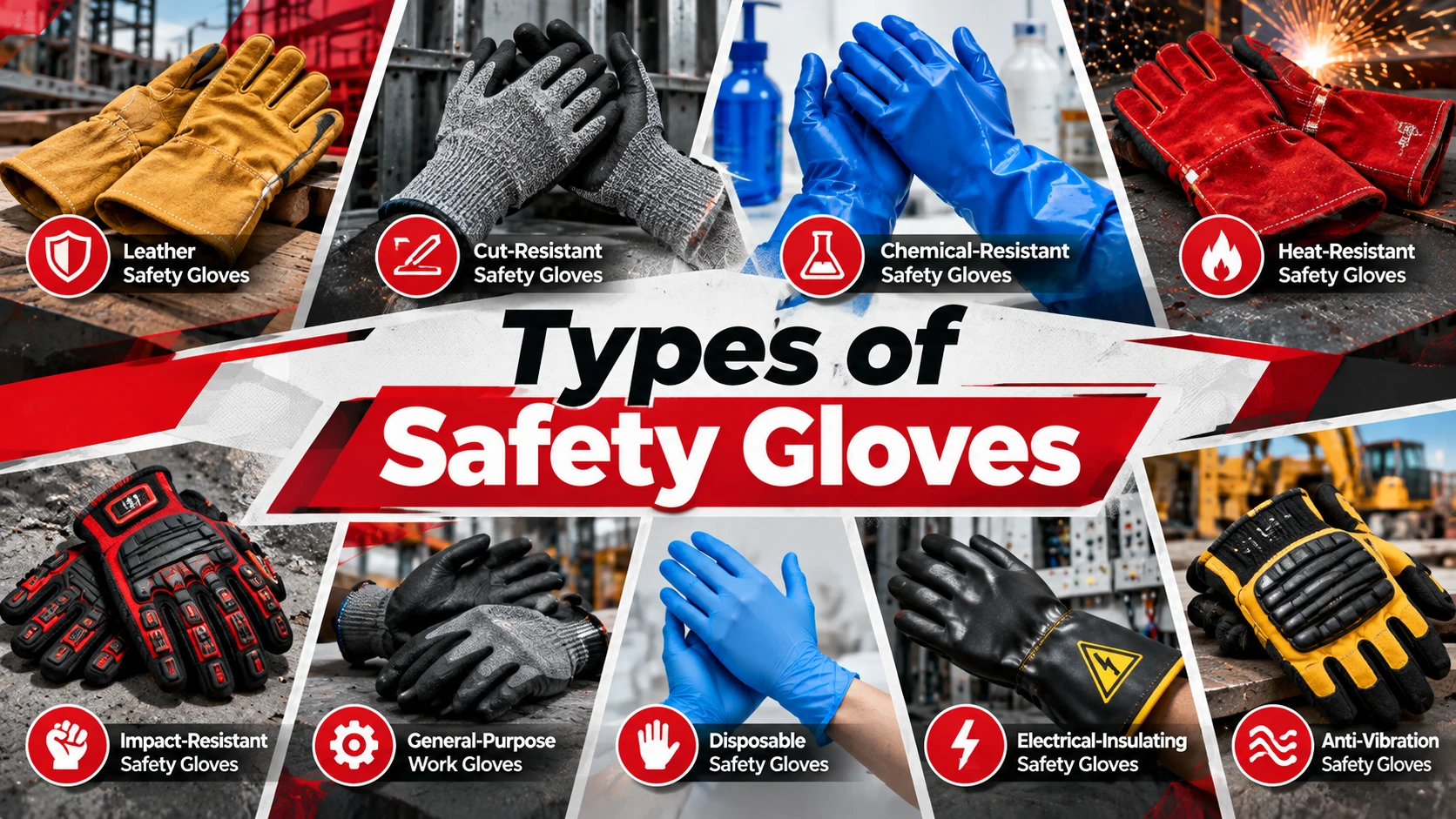
Types of Safety Gloves: A Complete Guide to Choosing the Right Pair
Safety gloves are an important part of personal protective equipment (PPE). They help protect workers’ hands from cuts, abrasions, heat, chemicals, dirt, and other workplace hazards. However, not every glove provides the same type of protection.
Choosing the right safety gloves depends on the work being performed, the materials being handled, and the risks present in the workplace. Wearing unsuitable gloves can reduce comfort and may leave workers exposed to injuries.
In this guide, we will explain the main types of safety gloves, their common uses, and the factors to consider when choosing the right pair for your job. If you are sourcing in bulk, you can also read about working with a leather glove manufacturer in Pakistan.
Why Are Safety Gloves Important?
Hands are used for almost every task in industrial and commercial workplaces. Without suitable protection, workers may experience cuts, burns, scrapes, blisters, or skin irritation.
Safety gloves help reduce these risks when selected and used correctly. They can also improve grip, comfort, and control when handling tools or materials. The main benefits include:
- Hand protection: help protect against specific workplace hazards.
- Better grip: support safer handling of tools, equipment, and materials.
- Improved comfort: reduce friction and discomfort during suitable tasks.
- Reduced contamination: help prevent direct contact with dirt, oils, and certain substances.
- Workplace safety: support a safer working environment when used as part of a complete safety program.
The level of protection depends on the glove material, design, construction, and safety rating.
1. Leather Safety Gloves
Leather safety gloves are widely used in construction, manufacturing, material handling, welding, and other demanding work environments. They are valued for their durability, grip, and resistance to everyday wear. These gloves are available in different leather types and designs, and some models include additional linings or protective features for specific applications.
Common uses of leather gloves
- Construction and building work
- Handling rough materials and equipment
- General industrial work
- Material handling and warehouse operations
- Certain welding and heat-related tasks when specifically designed and rated for them
Benefits of leather gloves
- Durable construction for demanding work
- Good abrasion resistance
- Comfortable fit after suitable use
- Useful grip for many material-handling tasks
- Available in different styles for different jobs
What to consider: leather gloves do not automatically provide high cut, puncture, chemical, or heat protection. The level of protection depends on the leather, glove design, lining, and applicable testing. For welding or high-temperature work, choose gloves specifically designed for those hazards rather than ordinary leather gloves.
Looking for dependable options? Browse our range of leather safety gloves for industrial use. For building sites, read our guide on how to choose construction work gloves.
2. Cut-Resistant Safety Gloves
Cut-resistant gloves are designed to help reduce the risk of cuts when handling sharp tools, metal edges, glass, and other sharp materials. They may be made from engineered yarns and fibers, such as high-performance polyethylene (HPPE), aramid, or other cut-resistant materials. Some designs include protective coatings to improve grip.
Common uses of cut-resistant gloves
- Metal fabrication
- Glass handling
- Automotive manufacturing
- Sheet-metal work
- Assembly operations involving sharp components
- Certain food-processing tasks
Benefits of cut-resistant gloves
- Help reduce cut injuries
- Available in different protection levels
- Can offer flexibility for detailed work
- Some models provide improved grip in oily or dry conditions
What to consider: cut-resistant gloves are not cut-proof. Performance depends on the material and tested protection level, so check the glove’s safety rating and choose a level that matches the actual cutting risk. These gloves may also be unsuitable around moving blades or machinery where gloves can become caught. Follow the equipment’s safety procedures.
Not sure which protection level suits your team? Read how to choose the right working gloves for industrial applications.
3. Chemical-Resistant Safety Gloves
Chemical-resistant gloves are designed to protect hands from contact with certain chemicals, liquids, and hazardous substances. They are commonly used in laboratories, cleaning operations, chemical processing, and industrial maintenance. Different glove materials resist different chemicals. Common materials include nitrile, neoprene, PVC, and natural rubber latex.
Common uses of chemical gloves
- Cleaning and sanitation
- Chemical handling
- Laboratory work
- Industrial maintenance
- Handling selected oils, solvents, and cleaning products
Benefits of chemical gloves
- Help reduce direct skin contact with selected chemicals
- Available in different lengths and thicknesses
- Some designs provide protection against splashes
- Certain models include textured surfaces for better grip
What to consider: no single chemical glove protects against every chemical. Before choosing a pair, identify the chemical, its concentration, the temperature, and the expected contact time. Check the manufacturer’s chemical-resistance information and the relevant Safety Data Sheet (SDS). Do not assume a glove is suitable simply because it is thick or waterproof.
4. Heat-Resistant and Welding Gloves
Heat-resistant gloves are made for tasks involving high temperatures, hot materials, sparks, or radiant heat. Welding gloves are a specialized type designed for the hazards associated with welding operations. They may use treated leather, heat-resistant linings, and reinforced areas to improve protection and durability.
Common uses
- Welding and metal fabrication
- Foundry operations
- Handling hot components
- Selected industrial heat-processing tasks
- Work involving sparks and brief contact with hot materials, where the glove is rated for the task
Benefits
- Help protect against specified heat hazards
- Often include durable materials and reinforced stitching
- Some designs provide extended wrist and forearm coverage
- Available in different lengths and constructions
What to consider: heat resistance varies between gloves. Check the manufacturer’s ratings for contact heat, radiant heat, flame exposure, and other relevant hazards. A glove designed for welding may not suit handling very hot objects for long periods, so select the glove according to the actual task.
Our leather welding gloves are built for these demanding conditions.
Need safety gloves made to your specification? Talk to the Shakeel & Sons team about styles, leather, sizes, and bulk orders.
Request a Quote5. General-Purpose Work Gloves
General-purpose work gloves are designed for everyday jobs where workers need basic hand protection, grip, and comfort. Depending on their construction, they may be made from cotton, polyester, synthetic materials, leather, or coated fabrics. Some have nitrile, latex, or polyurethane coatings to improve grip or provide limited resistance to dirt and moisture.
Common uses
- Packaging and assembly
- Warehouse work
- Gardening and maintenance
- Handling tools and general materials
- Light construction tasks
Benefits
- Suitable for many routine tasks
- Available in different materials and styles
- Often lightweight and comfortable
- Coated versions can improve grip
What to consider: general-purpose gloves are not a replacement for specialized protective gloves. They may not provide adequate protection against sharp edges, hazardous chemicals, high temperatures, or heavy impact. Always assess the job before selecting a pair.
For precision and light assembly work, see our mechanic and assembly gloves.
6. Impact-Resistant Gloves
Impact-resistant gloves are designed with protective padding or special materials across areas such as the knuckles and fingers. They help reduce the effects of certain impacts and bumps during demanding work.
Common uses
- Heavy industrial maintenance
- Oil and gas operations
- Construction and equipment handling
- Selected mining and mechanical tasks
Benefits
- Added protection in vulnerable hand areas
- Durable construction for demanding environments
- Some models combine impact protection with grip and abrasion resistance
What to consider: impact-resistant gloves do not eliminate the risk of crushing injuries or protect against every type of impact. Review the product’s tested protection features and make sure the gloves do not interfere with grip or tool control.
For heavy-duty handling, our leather rigger gloves add reinforced palm protection.
7. Disposable Safety Gloves
Disposable gloves are thin, single-use gloves commonly used when cleanliness and contamination control are important. They are often made from nitrile, latex, or vinyl.
Common uses
- Food preparation and handling
- Cleaning tasks
- Healthcare and laboratory activities
- Light-duty work involving limited contamination risks
Benefits
- Convenient for short tasks
- Help reduce cross-contamination when changed appropriately
- Available in different sizes and materials
- Easy to replace after use
What to consider: disposable gloves generally provide limited mechanical protection and should not be used for heavy-duty tasks unless specifically designed for that purpose. Latex can also cause allergic reactions in some people. Choose the material according to the substances involved and follow hygiene and disposal procedures.
8. Electrical-Insulating Safety Gloves
Electrical-insulating gloves are specially designed and tested to protect qualified workers from electrical hazards. They are used in electrical installation, maintenance, and other tasks where contact with energized components may be possible.
Common uses
- Electrical maintenance
- Power distribution work
- Certain utility operations
- Electrical testing and repair by trained personnel
Benefits
- Designed for specific electrical voltage classes
- Tested according to applicable electrical safety requirements
- Can be used with additional protective equipment when required
What to consider: ordinary rubber, leather, or coated work gloves are not substitutes for certified electrical-insulating gloves. These gloves require the correct voltage class, inspection, testing, storage, and use procedures. Electrical work should only be performed by trained and authorized personnel following the applicable safety standards.
9. Anti-Vibration Safety Gloves
Anti-vibration gloves are designed to reduce some of the vibration transmitted to the hands when using certain vibrating tools. They often include padding or specialized materials in the palm area.
Common uses
- Selected power-tool operations
- Industrial maintenance
- Certain grinding and sanding tasks
- Work involving vibration-producing equipment
Benefits
- May reduce some vibration transmission under suitable conditions
- Can provide additional cushioning and grip
- Available in different designs for specific tools and tasks
What to consider: anti-vibration gloves do not eliminate vibration exposure or guarantee prevention of hand-arm vibration injuries. Effectiveness depends on the tool, vibration frequency, glove design, and working conditions. Use suitable tools, maintain equipment, limit exposure where required, and follow workplace health and safety guidance.
How to Choose the Right Type of Safety Gloves
With so many options available, selecting the right glove can seem difficult. The best approach is to identify the hazards first and then compare glove materials, design, and tested protection levels.
1. Identify the workplace hazards
Determine whether workers face cuts, abrasion, chemicals, heat, impact, vibration, electrical hazards, or contamination. A single pair of gloves may not protect against every hazard.
2. Choose the right material
Leather is commonly selected for durability and abrasion resistance, while specialized synthetic fibers may provide cut resistance. Chemical-resistant materials must be matched to the substances being handled.
3. Check safety ratings and standards
Review the manufacturer’s technical information and applicable standards. For example, EN 388 covers mechanical risks such as abrasion, cutting, tearing, and puncture (what the numbers on your work gloves mean). Other standards address chemical, thermal, and electrical hazards. Do not choose gloves based on appearance or thickness alone.
4. Ensure the correct fit
Gloves should fit securely without being too tight or too loose. A poor fit can reduce grip, comfort, and control. Check the manufacturer’s sizing guide and select a glove that allows the required movement.
5. Consider grip and dexterity
Workers handling small components may need thin, flexible gloves, while heavy-duty jobs may require stronger construction and additional protection. Many teams that drive or handle tools all day choose leather driver gloves for this balance.
6. Check durability and maintenance
Consider how often the gloves will be used, whether they can be cleaned safely, and how easily they can be inspected. Replace gloves when they become damaged, contaminated, worn out, or no longer provide the required protection. Proper care also helps, so read how to store work gloves so they last longer.
Common Mistakes to Avoid When Choosing Safety Gloves
- Choosing gloves only because they are inexpensive.
- Assuming one glove type protects against every hazard.
- Ignoring chemical compatibility or safety ratings.
- Using ordinary leather gloves for specialized welding or electrical work.
- Wearing damaged or heavily worn gloves.
- Selecting the wrong size or a glove that reduces control.
- Ignoring the manufacturer’s cleaning, inspection, and replacement instructions.
The right glove should match the job, the hazard, and the worker’s needs.
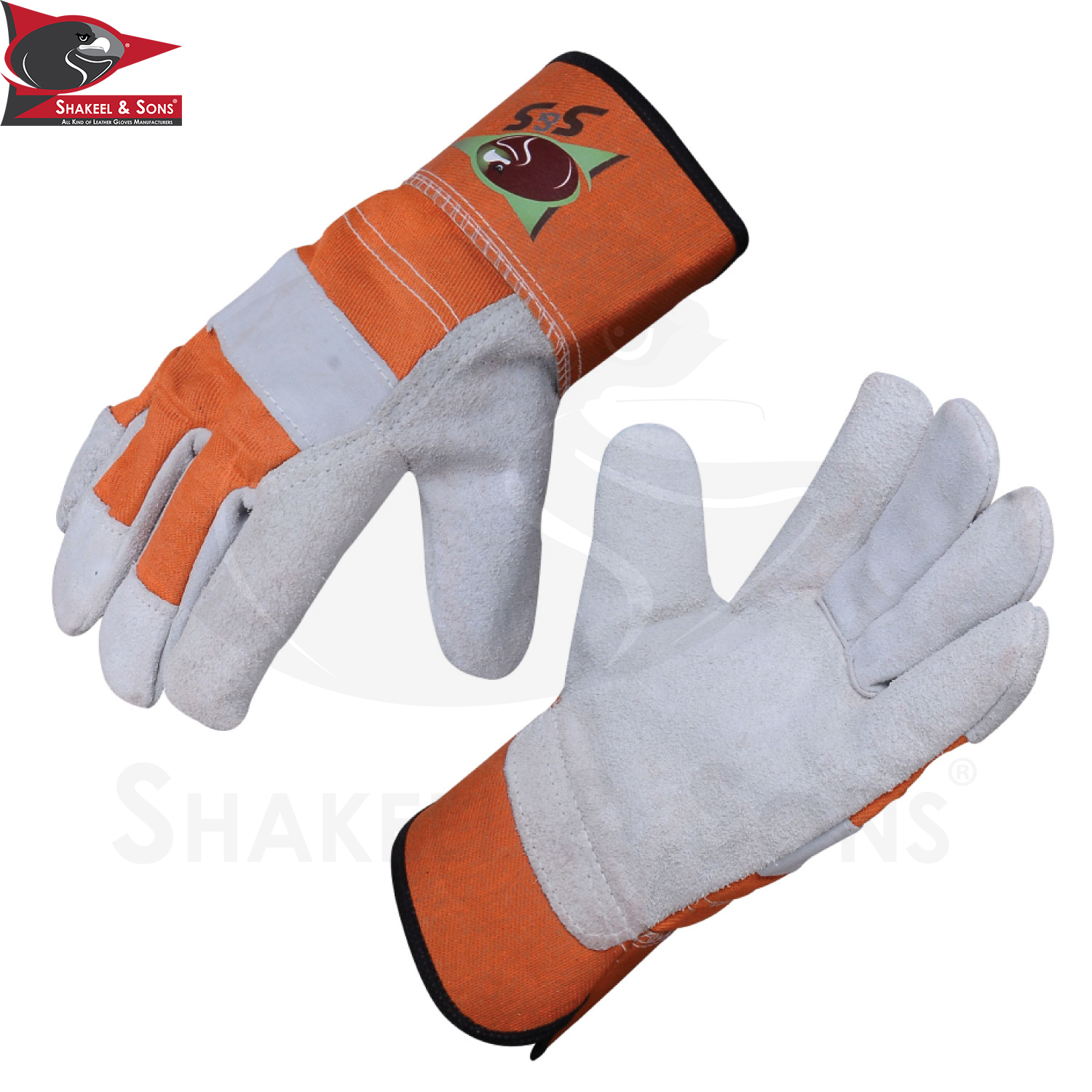
Safety Gloves from Shakeel & Sons
Here are some of the glove types we manufacture in Sialkot for industrial and commercial buyers. Want your own logo on them? See our OEM and private label gloves.


Final Thoughts
Understanding the different types of safety gloves helps businesses and workers make better decisions about hand protection. Leather, cut-resistant, chemical-resistant, heat-resistant, impact-resistant, disposable, electrical-insulating, and anti-vibration gloves all serve different purposes.
Before choosing a pair, identify the workplace hazards, check the relevant safety ratings, and make sure the gloves fit properly. The right selection can support safer work practices, improve comfort, and help reduce the risk of hand injuries.
If you are comparing suppliers, our safety gloves manufacturer in Pakistan buyer’s guide and how to choose the right leather glove manufacturer can help you decide.
Shakeel & Sons understands the importance of reliable hand protection for demanding work environments. When selecting safety gloves for your business, focus on the protection required for the job, the quality of construction, and the suitability of the glove for its intended use.
Ready to source safety gloves for your business? Get in touch for samples, pricing, and custom orders.
Contact Shakeel & Sons