
How to Clean and Take Care of Work Gloves
Work gloves are an essential part of personal protective equipment (PPE). They help protect workers’ hands during construction, welding, manufacturing, material handling, and other industrial tasks. However, dirt, sweat, oil, and regular use can affect their condition over time.
Proper cleaning and care can help keep work gloves comfortable, maintain their useful life, and ensure they remain suitable for their intended purpose. In this guide, we will explain how to clean different types of work gloves, dry them properly, and store them safely.
Why Is It Important to Clean Work Gloves?
During daily work, gloves can collect dust, grease, sweat, and other contaminants. Without proper care, these materials can affect the gloves’ comfort and condition. Here are the key benefits of maintaining your work gloves:
- Better hygiene: Regular care helps reduce the buildup of sweat, dirt, and unpleasant odors.
- Longer service life: Proper maintenance can help prevent premature wear and damage.
- Improved comfort: Clean, properly dried gloves can feel more comfortable during work.
- Better inspection: Cleaning and checking gloves makes it easier to notice worn stitching, holes, or other damage.
How to Clean Different Types of Work Gloves
Not all work gloves should be cleaned in the same way. The correct method depends on the glove material, its protective features, and the manufacturer’s care instructions. If you are still deciding which pair suits your job, our guide on how to choose construction work gloves can help.
1. How to Clean Leather Work Gloves
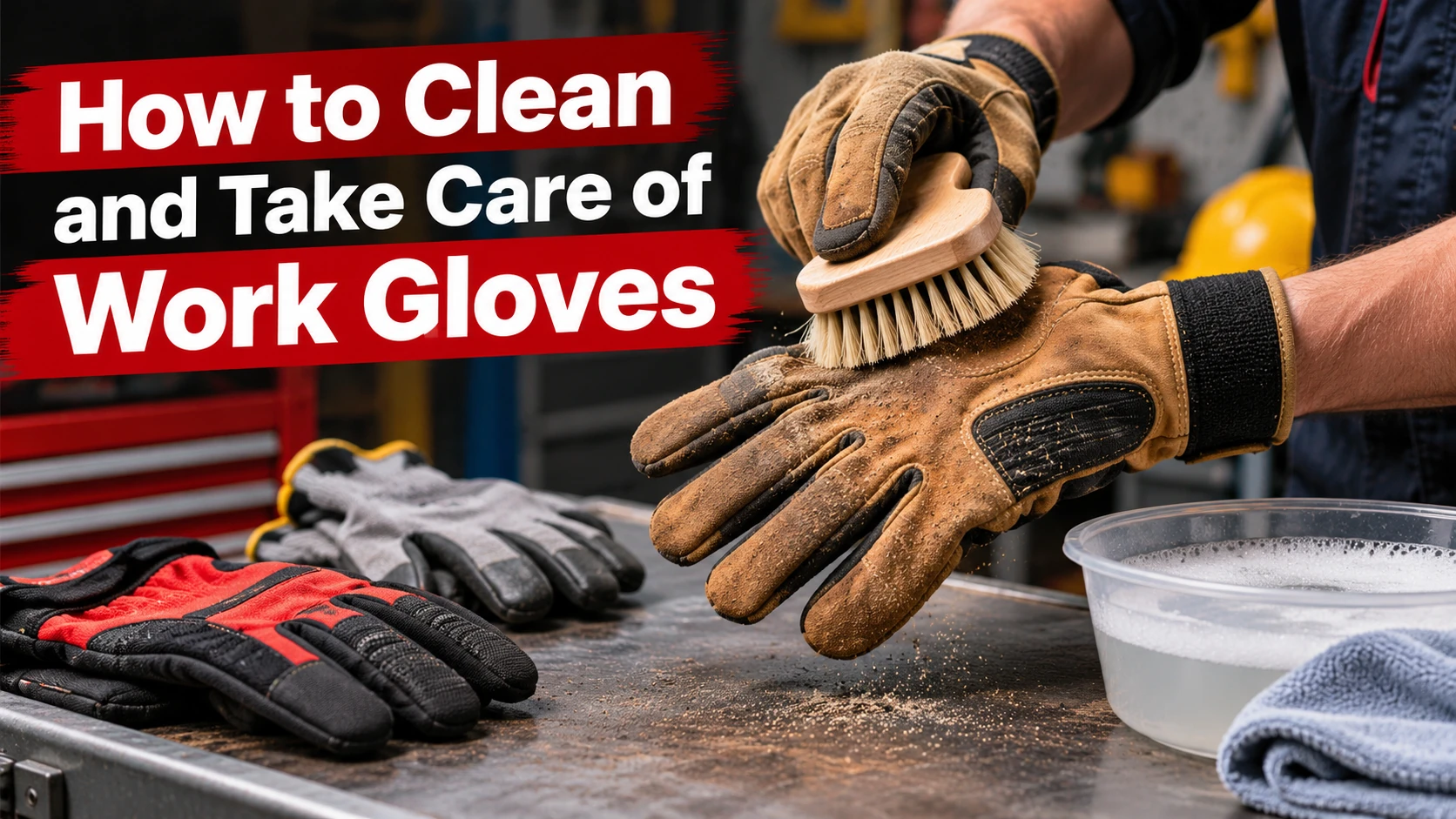
Leather work gloves are commonly used in construction, material handling, mechanical work, and other industrial applications. They need careful handling because excessive moisture and harsh cleaning products can damage the leather. Follow these steps for routine cleaning:
- Remove loose dust and dirt with a soft brush or dry cloth.
- For small surface stains, use a slightly damp cloth if the manufacturer’s instructions allow it.
- Avoid soaking leather gloves in water or using harsh detergents.
- Allow the gloves to air-dry naturally in a well-ventilated area.
- Keep them away from direct sunlight, radiators, and other strong heat sources.
Do not use leather conditioners or cleaning products unless they are suitable for your specific gloves. If the gloves are heavily contaminated with oil, chemicals, or other hazardous substances, follow workplace safety procedures and the manufacturer’s guidance. Looking for a durable pair? Browse our leather assembly gloves.
2. How to Clean Cotton and Fabric Work Gloves
Cotton and other fabric work gloves may be easier to clean than leather gloves, but the correct method still depends on their construction.
- Check the care label before washing.
- Remove loose dirt by shaking or gently brushing the gloves.
- If machine washing is permitted, use the recommended water temperature and a suitable detergent.
- Avoid bleach or strong cleaning agents unless specifically approved.
- Air-dry the gloves completely before using them again.
Some fabric gloves have coatings, reinforced palms, or special protective properties. These features may require specific cleaning methods.
3. How to Clean Coated and Synthetic Work Gloves
Coated work gloves are often used for assembly, warehouse work, and general material handling. Their coatings can provide grip and additional protection. To clean these gloves:
- Remove loose dirt from the surface.
- Use a damp cloth or wash them as directed by the manufacturer.
- Avoid solvents and abrasive brushes that may damage the coating.
- Rinse thoroughly if washing is permitted.
- Let the gloves dry completely before storing them.
Always inspect the coating after cleaning. Cracking, peeling, or other visible damage may indicate that the gloves need replacement. For heavy-duty handling, see our leather rigger gloves.
How to Dry Work Gloves Properly
Drying is just as important as cleaning. Improper drying can cause leather to become stiff, fabric to develop unpleasant odors, or glove materials to deteriorate. Use these simple tips:
- Air-dry naturally: Place gloves in a clean, well-ventilated area.
- Avoid excessive heat: Do not place gloves on radiators or near open flames.
- Keep them separated: Arrange gloves so air can circulate around them.
- Check the inside: Make sure the lining is completely dry before wearing the gloves again.
Never wear damp gloves if moisture could affect grip, comfort, or the glove’s protective performance.
Best Practices for Work Glove Maintenance
Regular maintenance helps you identify problems before they become serious. Make these habits part of your daily work routine.
Inspect Gloves Before Every Use
Check your gloves for holes, cuts, loose stitching, torn seams, and worn areas. For coated gloves, look for peeling or cracks. Damaged gloves may no longer provide the protection required for your task. The numbers printed on the cuff can also help, as explained in our guide on what the numbers on your work gloves mean.
Clean Gloves According to Their Material
Always follow the manufacturer’s cleaning instructions. Leather, cotton, synthetic, coated, and specialist protective gloves may have different maintenance requirements.
Avoid Sharing Dirty Gloves
Where possible, assign gloves to individual workers, especially when sweat, oils, or workplace contaminants are involved. Clean reusable gloves according to workplace hygiene procedures.
Replace Damaged Gloves Promptly
Do not continue using gloves with damaged seams, holes, worn protective layers, or other defects that compromise safety. Gloves exposed to hazardous chemicals or extreme heat may also require replacement according to the relevant safety procedures.
How to Store Work Gloves Correctly
Proper storage helps keep work gloves ready for their next use. Follow these recommendations:
- Store gloves in a cool, dry, well-ventilated place.
- Make sure gloves are completely dry before putting them away.
- Keep them away from direct sunlight and excessive heat.
- Avoid storing gloves near chemicals, oils, or other contaminants.
- Keep clean gloves separate from used or contaminated equipment.
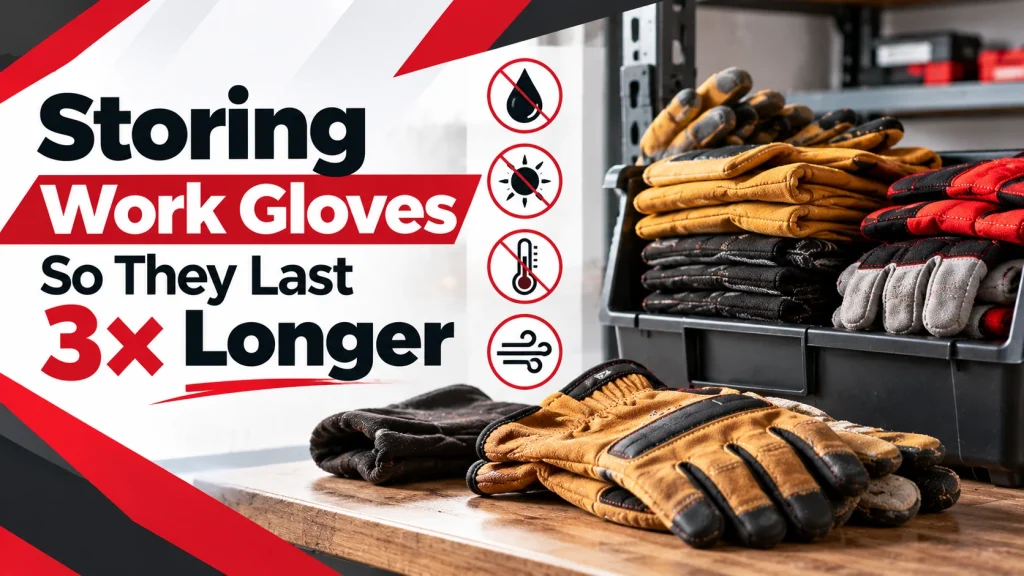
For industrial workplaces, a designated storage area can help workers keep reusable gloves organized and reduce the risk of contamination. For more ideas, read storing work gloves so they last longer.
Common Work Glove Cleaning Mistakes to Avoid
Even simple cleaning mistakes can shorten the useful life of work gloves. Avoid the following practices:
- Washing every type of glove using the same method.
- Using bleach or harsh chemicals without checking compatibility.
- Soaking leather gloves in water.
- Drying gloves near direct heat or open flames.
- Storing gloves while they are still damp.
- Continuing to use gloves with visible damage.
- Assuming that cleaning removes all hazardous contamination.
For gloves used around chemicals, biological hazards, or other dangerous substances, follow the applicable workplace procedures. Some contaminated gloves must be disposed of rather than cleaned and reused.
How Often Should You Clean Work Gloves?
The ideal cleaning frequency depends on the type of work, the glove material, and the level of contamination.
- Daily use: Inspect gloves before every shift and clean reusable gloves when needed, following the care instructions.
- Heavy-duty industrial work: Check gloves frequently for dirt, wear, and damage.
- Wet or sweaty conditions: Allow gloves to dry fully between uses and follow workplace hygiene requirements.
- Chemical or hazardous work: Follow the relevant safety procedures and manufacturer instructions for cleaning, decontamination, and replacement.
Regular inspection is essential, even when gloves appear clean.
Our Work Gloves
When a pair is past cleaning, replace it with gloves built for the job. Here are three choices from the Shakeel and Sons range.

Assembly Gloves: leather gloves for assembly and general handling work.
View gloves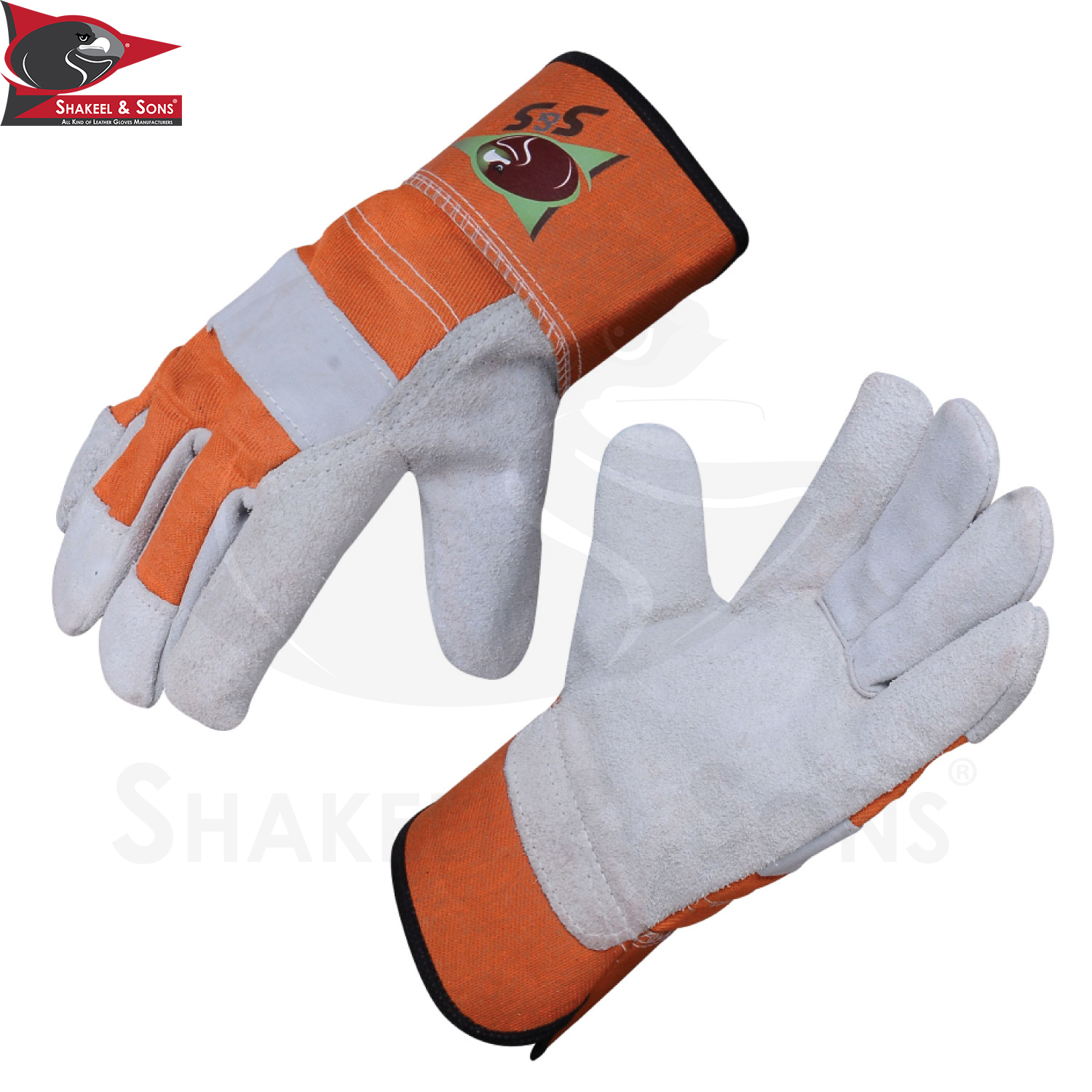
Rigger Gloves: heavy-duty leather gloves for construction and material handling.
View gloves
Driver Gloves: comfortable leather gloves for driving and light work.
View glovesConclusion
Cleaning and taking care of work gloves is a simple but important part of workplace safety. By choosing the correct cleaning method, drying gloves properly, inspecting them regularly, and storing them in suitable conditions, workers can help maintain their gloves and reduce unnecessary replacement.
At Shakeel and Sons, choosing the right work gloves for the job is an important step toward hand protection. Explore our range of leather working gloves for industrial applications to find the right fit.